 how-to
Palm Beach Remodeling Project Guarantees: What to Know
Table of Contents
- Why Remodeling Guarantees Matter in Palm Beach County
- Home Improvement Contract Checklist for Guarantee Protection
- Remodeling Workmanship Warranty vs Manufacturer and Structural Coverage
- Contractor Change Order Form: How Changes Affect Your Guarantee
- Remodeling Project Timeline and Guarantee Interactions
- Warranty Exclusions, Claim Deadlines, and Maintenance Requirements
- How to Document Defects and Submit a Warranty Claim
- Frequently Asked Questions
Last Updated: October 12, 2026
Why Remodeling Guarantees Matter in Palm Beach County
A remodeling project is one of the largest investments a homeowner will make, and palm beach remodeling project guarantees often matter more than the tile or cabinetry.
Here is the core problem. A handshake and a good reputation are not a guarantee.
Below, we break down exactly what to look for in a home improvement contract checklist, how the different warranty types work, and how to file a claim if something goes wrong.
Home Improvement Contract Checklist for Guarantee Protection
A solid home improvement contract checklist starts with one rule: get everything in writing before work begins. A written contract is the foundation of every guarantee you will ever enforce. Without it, your warranty is only as good as the contractor's memory.
Walk through this list before you sign anything:
- Contractor's full legal name, license number, and address
- A detailed project scope listing every task and material
- A design plan and material selection sheet with brands and models
- A guaranteed maximum price or clear contract price
- A payment schedule tied to milestones, not dates
- A project timeline with a start and completion date
- The workmanship warranty terms, spelled out in plain language
- A change order process for any scope changes
- Proof of licensing and insurance
Contract Terms That Define Your Guarantee
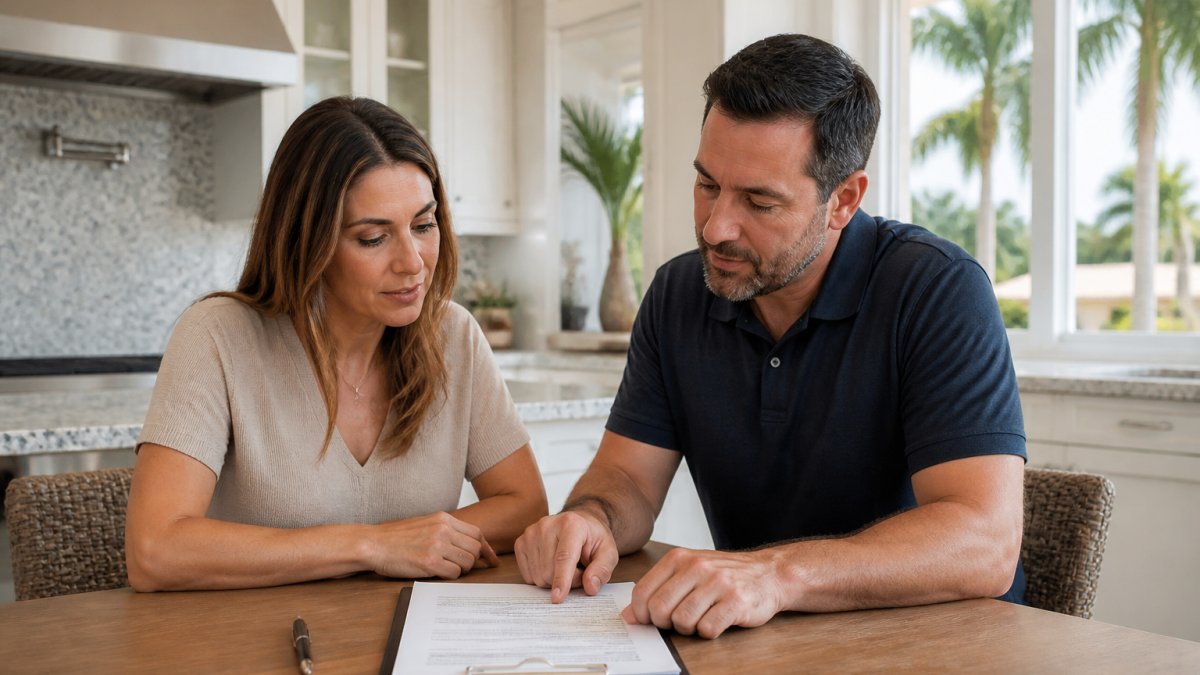
The contract terms are where your guarantee lives or dies. Vague language like "standard warranty" means nothing. Look for a warranty period stated in months or years, a clear description of what labor coverage includes, and a named person or company responsible for repairs.
Pay attention to how the contract handles project decisions. If the scope, materials, or schedule can change without a signed document, your guarantee weakens with every verbal tweak. A contractor who resists putting terms in writing is telling you something important.
Remodeling Workmanship Warranty vs Manufacturer and Structural Coverage
A remodeling workmanship warranty is not the same as a manufacturer warranty or a structural warranty. Homeowners often confuse the three, then discover the gap when a problem appears. Knowing which warranty covers what, and who is on the hook when two of them overlap, saves you from paying out of pocket.
What Each Warranty Type Covers
Here is how the three main warranty types differ:
| Warranty Type | What It Covers | Who Provides It | Typical Duration | Who Pays Labor |
|---|---|---|---|---|
| Workmanship | Installation quality and labor | Your contractor | Varies by contract; commonly 1-2 years | Contractor |
| Manufacturer | Product defects in materials | The product maker | Set by the maker; often 1 year to limited lifetime | Often the homeowner unless the maker covers labor |
| Structural | Load-bearing and framing issues | Contractor or insurer | Longest of the three; often 5-10 years | Contractor or insurer, depending on cause |
The workmanship warranty covers how well the job was done. If a shower pan leaks because of poor waterproofing, that is a labor issue. The manufacturer warranty covers the product itself, such as a faulty fixture or a defective cabinet hinge. Structural protection covers the bones of the project, like framing or load-bearing changes.
The Handoff Problem Nobody Explains
What most guides miss is the handoff point. When a product fails because it was installed wrong, the manufacturer will point to the installer, and the installer may point back to the product.
A common pattern is a two-part clause: the contractor warrants the installation for a stated period, and separately agrees to pass through any manufacturer warranty and to cover the labor to replace a defective product during the workmanship period.
How Structural Coverage Actually Triggers
Structural warranties are the least understood of the three. They generally respond to defects in load-bearing elements, framing, headers, beams, foundations, not to cosmetic cracks or settling that falls within normal tolerances. Most structural coverage requires an inspection and a written determination that the issue is structural rather than finish-related. Ask your contractor, before signing, what triggers a structural claim, who performs the inspection, and whether the coverage is backed by the contractor alone or by a third-party warranty provider.
Contractor Change Order Form: How Changes Affect Your Guarantee
A contractor change order form is the document that records any change to the original scope, price, or schedule. Every change order should be signed by both parties before the new work starts. Skip this step and your guarantee can quietly fall apart.
Why does it matter so much? Because most warranty disputes trace back to work that was never in the original contract.
A proper change order includes:
- A description of the added or removed work
- The revised contract price
- Any effect on the project timeline
- A new completion date if the schedule shifts
- Signatures from both the homeowner and the contractor
Treat every change order as a mini-contract. It protects your guarantee by keeping the written record complete and current.
Remodeling Project Timeline and Guarantee Interactions
The remodeling project timeline and your guarantee are linked more tightly than most people realize. Delays can push work past inspection windows, and rushed finishes often cause the defects that warranties are meant to fix.
A realistic schedule includes time for ordering, receiving, inspection, and quality control. When a contractor compresses the timeline to win the bid, the shortcuts usually show up later as warranty claims.
Here is how the schedule affects your protection:
- Permits and inspections: Work done without a building permit may void manufacturer warranties and complicate claims.
- Waterproofing cure time: Skipping cure time causes leaks that appear months later.
- Seasonal weather: In South Florida, rain and humidity can delay exterior work and push interior finishes.
If the project runs long, get the new dates in writing. An updated schedule keeps your guarantee enforceable and your expectations clear.
Warranty Exclusions, Claim Deadlines, and Maintenance Requirements
Warranty exclusions are the limits written into your guarantee, and ignoring them can void your coverage. Every warranty has them, so read that section as carefully as the coverage itself. This is the part of the contract most homeowners skim, and the part contractors rely on when a claim arrives.
Common Exclusions to Expect
- Damage from neglect or lack of maintenance
- Changes made by another contractor after the job
- Normal wear and tear on finishes
- Damage from leaks, storms, or misuse
- Movement or cracking within normal tolerances for the material
- Damage from improper cleaning products or methods
Claim Deadlines: The Clock Starts When You Notice
Claim deadlines matter just as much as exclusions. Most warranties require you to report a defect within a set number of days after you notice it, not after the project is complete.
A practical rule: report in writing within the shorter of (a) the number of days stated in your contract, or (b) 30 days of discovery. Written notice starts the clock on the contractor's response obligation and creates a record if you later need to escalate.
Maintenance Requirements and the Records That Protect You
Maintenance requirements are the fine print that trips people up. A warranty may require you to reseal grout, clear drains, service fixtures, or re-caulk wet areas on a schedule. Keep records of that maintenance. If you cannot show you maintained the work, a contractor can point to neglect as the cause.
Build a simple maintenance file:
- A dated photo of each maintenance task when completed
- Receipts for any products or services used
- A one-line log entry noting the date, task, and who performed it
- Copies of any manufacturer-recommended service intervals
Where Consumer Protection Fits In
Beyond the contract, state and federal consumer protection rules can apply to home improvement transactions. The Federal Trade Commission's Cooling-Off Rule gives you three business days to cancel certain sales made at your home, and the FTC publishes guidance on home improvement scams and your rights. At the state level, licensing and complaint processes run through the licensing board that issued your contractor's credential. Keep your signed contract, change orders, and maintenance log together, those documents are what a complaint or mediation process will ask for first.
How to Document Defects and Submit a Warranty Claim
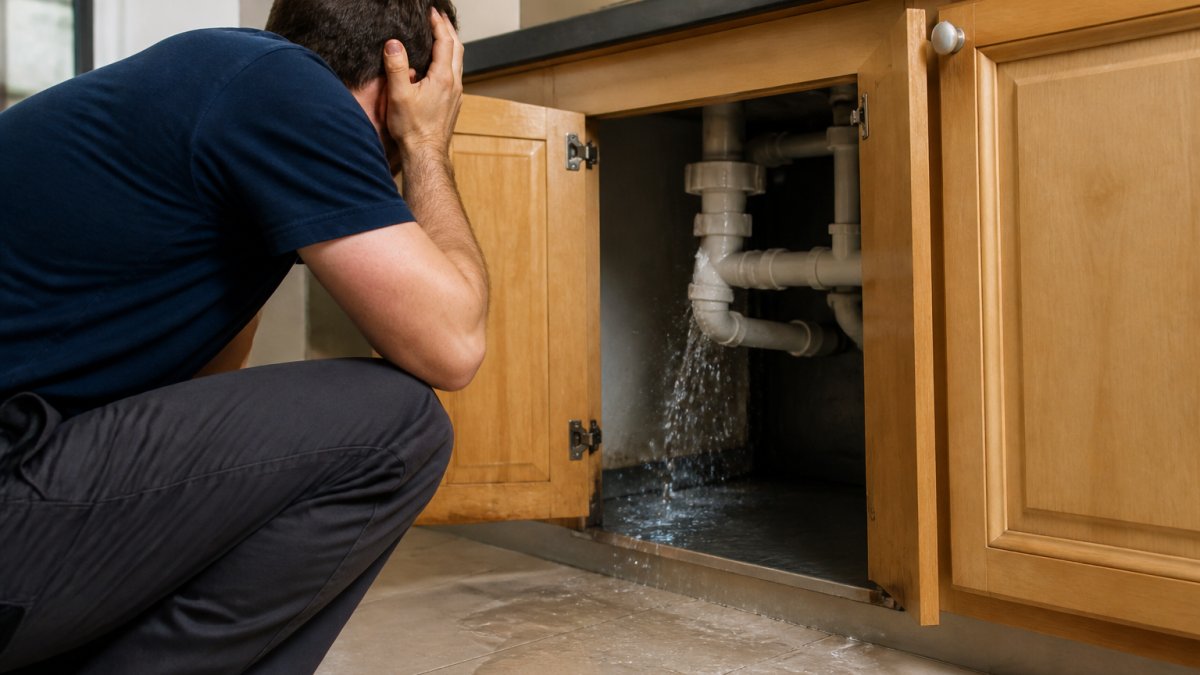
Documenting defects properly is what turns a complaint into a paid claim. A clear record makes it hard for anyone to dispute what happened and when. Start the moment you spot a problem.
Follow these steps:
- Photograph and date the defect. Take wide shots and close-ups.
- Write down when you first noticed it. Note the date and time.
- Review your contract. Find the warranty period and claim process.
- Send a written notice. Email or letter, not a phone call.
- Keep every reply. Save emails, texts, and notes from any calls.
- Request an inspection in writing. Ask for a written assessment.
- Escalate if needed. Contact your state or local consumer protection office if the contractor does not respond.
For licensing checks and dispute options, homeowners can verify a contractor's credentials through Florida Department of Business and Professional Regulation and review consumer complaint resources from the Florida Attorney General's consumer protection division. The Federal Trade Commission also publishes guidance on home improvement scams and your rights.
A remodeling project only feels safe when the guarantee behind it is real. East Coast Unlimited Home Services LLC handles plumbing, shower and bathroom remodels, and residential repairs for Palm Beach County homeowners.
Frequently Asked Questions
What guarantees should a remodeling contractor provide?
A remodeling contractor should provide a written workmanship warranty covering labor defects, a clear project timeline, and documentation of manufacturer warranties for materials and fixtures. The contract should specify warranty coverage periods, exclusions, and claim procedures. In Palm Beach County, licensed contractors must also carry insurance and pull required building permits, which protect homeowners if issues arise. Always get guarantee terms in writing before work begins.
What is the difference between a workmanship warranty and a manufacturer's warranty?
A remodeling workmanship warranty covers defects in how the contractor installed or built something, such as tile coming loose or a poorly sealed shower. A manufacturer warranty covers the product itself, like a faucet that fails prematurely. These are separate protections. Your contract should clarify both. If a fixture fails, you may need to file with the manufacturer. If installation caused the problem, the workmanship warranty applies. Understanding this distinction helps you file claims with the right party.
How long should a remodeling contractor's workmanship warranty last?
Workmanship warranty periods vary by contractor and project scope. Common terms range from one to two years for general labor, though some contractors offer longer coverage on specific trades like waterproofing. The warranty period should be stated clearly in your written contract. Ask what happens after the warranty expires and whether extended coverage is available. In Florida, structural warranties may have different timelines than general workmanship coverage.
What should homeowners do if remodeling work is defective?
Document the defect with dated photos and written notes. Review your contract for warranty claim procedures and deadlines. Notify your contractor in writing, describing the issue and requesting repair. If the contractor does not respond, check whether they are licensed and insured through the state database. You may also contact consumer protection agencies. Keep all communication records. For unresolved disputes, mediation or small claims court may be options depending on the amount.